

Table of Contents
- What Heirloom Quality Actually Means in Children's Clothing
- Best Fabrics for Heirloom Children's Clothing
- Construction Details That Separate Heirloom Garments from Fast Fashion
- Is Starching Heirloom Baby Dresses Safe?
- How to Preserve Christening Gowns for Generations
- Repair, Restoration, and Resale Value
- Why Heirloom Clothing Becomes a Family Treasure
- Frequently Asked Questions
Last Updated: September 20, 2026
What Heirloom Quality Actually Means in Children's Clothing
Heirloom quality describes children's clothing made to survive generations of wear, not just one childhood. It combines premium natural fabrics, reinforced construction, and hand-finished detailing that withstands repeated washing and passing down. At MTK Australia, we specialise in creating garments families keep for decades.
Best Fabrics for Heirloom Children's Clothing
The best fabrics for heirloom children's clothing are natural fibres: silk, organic cotton, linen, and fine wool. They breathe, soften with age rather than degrade, and hold natural dyes well. Synthetic blends pill, yellow, and lose shape within a few seasons.
Natural Fibres and Why They Matter
Natural fibres age in the right direction: silk keeps its lustre for decades when stored correctly, organic cotton grows softer with every gentle wash, and linen resists wear-and-tear better than almost any synthetic.
How to Test Fabric Quality Before You Buy
Fabric quality shows up under your fingers before it shows up in a photo. Try these checks:
- Hold it to the light. Dense weave blocks more light; thin weave means thin yarn. Heirloom-quality cotton poplin or silk habotai should let through very little light against a window.
- Stretch and release. Quality fabric springs back; poor fabric stays stretched. Especially telling on knits and jersey.
- Rub it between your fingers. Pilling starts immediately on short-staple blends. Fuzz after ten seconds means it will pill in the wash.
- Check the label. "100% silk" or "100% organic cotton" tells you more than "luxury blend." More than one fibre without percentages is a red flag.
The Numbers That Separate Heirloom Fabric from Fast Fabric
Three technical measures do most of the work:
GSM (grams per square metre) measures fabric weight and density. For children's heirloom clothing, look for:
- Lightweight silk: 60-90 GSM (christening gowns, linings)
- Cotton poplin or lawn: 100-140 GSM (dresses, shirts, rompers)
- Linen: 140-200 GSM (repeated wear and washing)
- Fine wool: 180-250 GSM (outerwear, cooler weather)
Below these ranges, fabric may feel lovely but won't survive generations of washing; far above, it may be stiff and uncomfortable.
Weave type determines how the fabric behaves under stress:
- Plain weave (poplin, lawn, habotai) is strong and stable, good for garments washed often.
- Twill weave (some linens, fine wools) resists abrasion and hides stains better.
- Satin weave (duchess satin, silk satin) gives lustre and drape but snags easily; best for occasion wear handled carefully.
Construction Details That Separate Heirloom Garments from Fast Fashion
Construction is where heirloom garments earn their longevity. A garment is only as strong as its weakest seam, and fast fashion typically uses the cheapest finish available.
| Detail | Heirloom Standard | Fast Fashion Standard |
|---|---|---|
| Seam finish | French or bound seams | Overlocked, exposed edges |
| Stitch density | 10-12 stitches per cm | 6-8 stitches per cm |
| Button attachment | Reinforced shank, cross-stitched | Single thread, glued backing |
| Hem allowance | 5-8 cm for letting down | 1-2 cm, no alteration room |
| Thread | Silk or long-staple cotton | Polyester, prone to fraying |
Stitching Integrity and Reinforcement Points
Stitching integrity is the fastest way to spot quality at a glance. Look at the stress points: shoulders, armholes, button plackets, and the crotch seam on rompers. These take the most strain, so makers who care reinforce them.
Hand-Finished Details You Can Spot at a Glance
Hand-finishing leaves visible traces if you know where to look, the interior tells the story:
- Covered buttons with hand-stitched shanks rather than glued backs
- Rolled hems on lightweight silk, done by hand to avoid bulk
- Piped or bound interior seams with no raw edges
- Beaded or lace detailing attached with individual backstitches
Is Starching Heirloom Baby Dresses Safe?
Starching heirloom baby dresses is generally safe for cotton and linen, but risky for silk and any garment with beaded or lace detailing. Starch stiffens fibres to hold shape, and on delicate fabrics that stiffness can crack along fold lines over time.
How to Preserve Christening Gowns for Generations
Preserving a christening gown comes down to three things: clean it properly, store it flat, and keep it away from light and moisture. Most damage happens in storage, not during wear.
Giuliano 6 piece Christening Gown →

Cleaning and Storage Best Practices
- Hand wash in cool water with a pH-neutral detergent, never bleach
- Rinse thoroughly; detergent residue yellows fabric over years
- Dry flat on a clean towel away from direct sunlight
- Wrap in acid-free tissue paper, not plastic
- Store flat in a breathable cotton bag or archival box
- Refold along different lines every two years to prevent permanent creases
- Keep away from attics and garages; stable room temperature is best
The National Archives guidance on storing textiles recommends acid-free materials for any garment you intend to keep for decades. Follow that standard and most gowns will outlast their original wearer.
Repair, Restoration, and Resale Value
Heirloom garments hold resale value in a way fast fashion never will. A well-made silk gown can be resold, restored, or repurposed, and that market is part of what makes the original purchase worthwhile. Repairing a small tear or replacing a button is straightforward for a skilled dressmaker, and restoration preserves both the garment and its story.
A Practical Repair Guide for Common Heirloom Garment Problems
Loose or missing buttons. Don't simply sew the button back on with a single thread. Use a reinforced shank: pass the needle through the button holes several times to build a small thread stem, wrap the thread around the stem, then knot. This lets the button sit above the fabric and reduces strain on the surrounding cloth. Use silk or long-staple cotton thread, not polyester, which can cut through fine fabric over time.
When to Repair and When to Repurpose
A common mistake is throwing away a stained or torn heirloom piece. Many "ruined" gowns can be restored, and even badly damaged pieces repurposed: a christening gown with a damaged skirt can become a bonnet, cushion, or framed textile piece, and a torn silk dress can be cut down into a child's occasion wear garment.

Resale and Circular Economy Value
Heirloom garments hold value in the secondhand market because they are rare, well-made, and tied to a specific occasion. A custom-made silk christening gown that cost several hundred dollars may resell for a significant portion of that if clean, undamaged, and accompanied by its original box or documentation. Fast-fashion occasion wear typically resells for a fraction of its price because the market is flooded with similar items.
If you are considering resale:
- Store the garment with any original packaging, tags, or receipts, provenance adds value.
- Document any repairs or alterations; buyers prefer transparency.
- Photograph in natural light, including close-ups of seams, buttons, and detailing.
- Sell through specialist platforms or local consignment rather than general marketplaces, where heirloom pieces find the right buyer.
Why Heirloom Clothing Becomes a Family Treasure
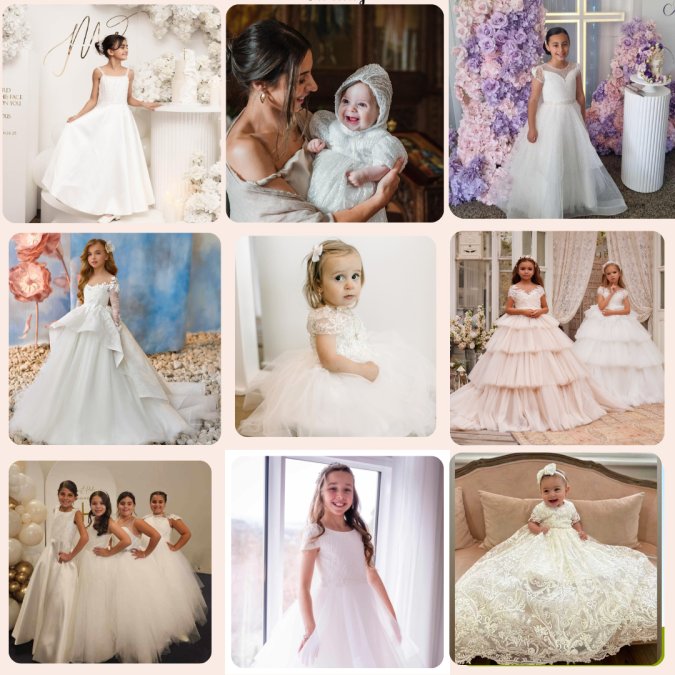
Heirloom clothing becomes a family treasure because it carries memory in physical form. A gown worn by three siblings, then a cousin, then framed for a granddaughter holds an emotional connection no new purchase can replicate.
Frequently Asked Questions
What defines heirloom quality in children's clothing?
Heirloom quality means a garment is made to last for generations. It uses natural fibres like silk or organic cotton, has reinforced stitching at stress points, and often features hand-finished details. The construction prioritises durability over speed, so the piece holds its shape and colour through repeated wear and careful washing. True heirloom garments are designed to be passed down, not replaced each season.
Is starching heirloom baby dresses safe?
Starching is generally safe for cotton and linen heirloom dresses if done occasionally and with a mild starch solution. However, starch can attract insects and cause yellowing over time if garments are stored without washing it out. For silk or satin gowns, avoid starch entirely. Always test on a small hidden area first, and wash the garment thoroughly before long-term storage to remove all starch residue.
How should I store a christening gown to keep it intact?
Clean the gown first using a gentle hand wash with mild detergent, then let it air dry away from direct sunlight. Wrap it in acid-free tissue paper and place it flat in a breathable cotton bag or archival box. Avoid plastic bags, which trap moisture and cause yellowing. Store in a cool, dry place away from direct light. Check the gown every year or two for any signs of pests or discolouration.
Can a wedding dress be converted into a christening gown?
Yes, a wedding dress can be repurposed into a christening gown. A skilled dressmaker can use the fabric, lace, and beading from your wedding dress to create a smaller garment. The process typically involves deconstructing the original dress, then re-cutting and sewing the fabric into a new design. Allow at least 10 to 12 weeks for a custom conversion, and provide measurements for chest and waist circumference.
What are the signs of superior construction in luxury children's clothing?
Look for French seams or bound edges that enclose raw fabric, reinforced buttonholes, and securely attached buttons. Check that patterns match at the seams, which shows care in cutting. Hand-finished hems and delicate beadwork or lace appliqué also signal quality. Run your hand along the inside of the garment; if it feels smooth with no loose threads or scratchy edges, the construction is likely to last.
Why is natural fibre selection critical for heirloom garments?
Natural fibres like silk, cotton, and linen breathe well, feel soft against a child's skin, and age gracefully. Synthetic fabrics can pill, hold odours, and break down faster. Natural fibres also accept natural dyes better and are less likely to cause irritation. For a garment meant to be worn by multiple children over decades, choosing a durable natural fibre is the foundation of its longevity.


