



Table of Contents
- Why Handmade Debutante Dresses Stand Out
- Quick Comparison: Six Handcrafted Debutante Gowns
- How to Choose a Debutante Dress for Your Silhouette and Style
- Debutante Dress Fabric Selection: Tulle, Lace, Chiffon and Satin
- The Custom Debutante Dress Design Process Explained
- Pricing, Sizing and What Handmade Craftsmanship Really Costs
- Styling, Care and Preserving Your Gown as an Heirloom
- Frequently Asked Questions
Last Updated: September 19, 2026
Why Handmade Debutante Dresses Stand Out
A debutante ball is one of the few occasions where a young woman's gown is made for her and her alone. Unique debutante ball dresses handmade by a skilled dressmaker offer something off-the-rack gowns cannot: a garment cut to her exact measurements, finished by hand, and designed around her taste rather than a mass-production template.
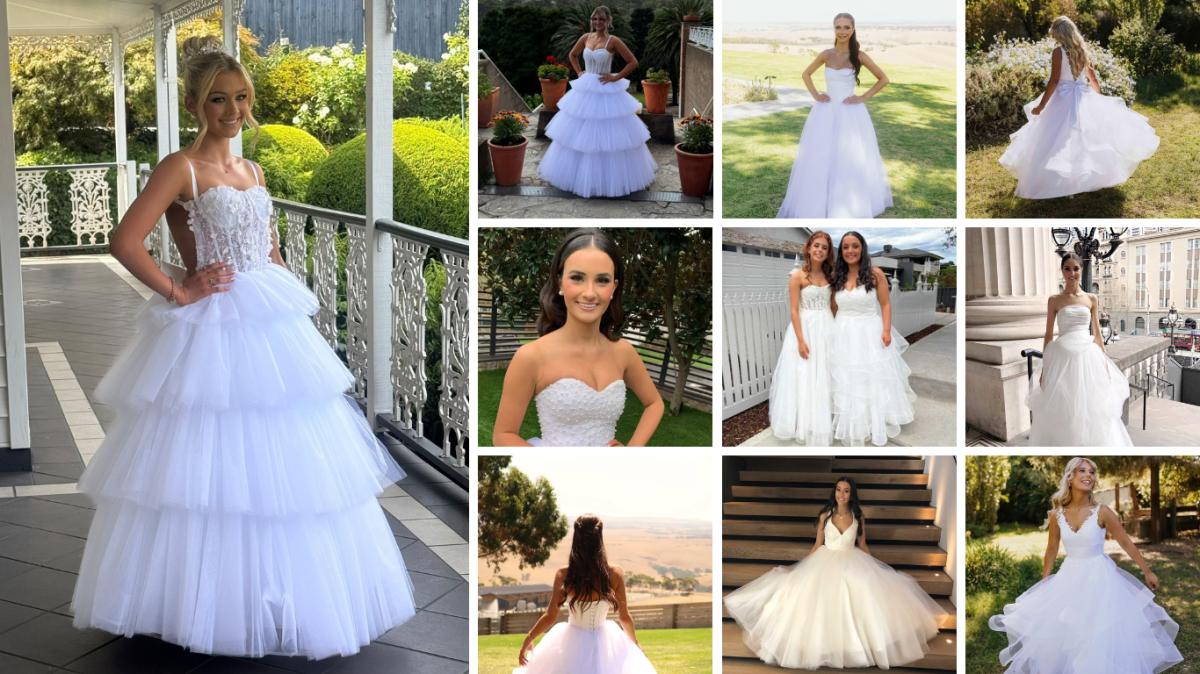
Quick Comparison: Six Handcrafted Debutante Gowns
Every gown below is made to measure, includes all alterations, and can be adjusted in design. Prices are set per gown, and each takes roughly 16 weeks to produce.
Gown |
Price |
Bodice Detail |
Skirt |
Best For |
|---|---|---|---|---|
$1,800 |
Pearl corset, lace-up back |
Satin ballgown |
Classic statement with a bow |
|
Claudia |
$1,800 |
3D floral lace, sweetheart |
Layered tulle |
Romantic, princess-inspired |
Ella |
$1,300 |
Soft V neckline, lace trim |
Multi-layer tulle |
Twirling and movement |
Maci |
$1,800 |
Pearl bodice, low back |
Tiered tulle |
Modern, back-focused design |
Violet |
$1,800 |
3D Lola lace |
Layered tulle |
Dimensional lace texture |
Sienna |
$1,400 |
Beaded lace corset |
Layered tulle |
Sculpted, corseted shape |
How to Choose a Debutante Dress for Your Silhouette and Style
Start with the silhouette, then refine the bodice. Choosing a debutante dress works best in that order, because the overall shape frames everything else: the neckline, the embellishment, and how the gown moves on the night.

- What does the venue and floor demand? A full ballgown skirt on a polished floor photographs beautifully but needs space to move. A narrower A-line or a soft mermaid is easier to manage in a tight ballroom or on stairs.
- How much movement does the night require? The first dance, the presentation walk, and hours of standing all favour a skirt that is light for its volume. Layered tulle over a structured underlayer gives the look of a heavy skirt without the weight.
- Where do you want the eye to land? A structured corset bodice draws attention upward; a low or illusion back draws it behind; a full skirt draws it to the hemline. Pick one focal point and let the rest support it.
- What suits the wearer's proportions? This is where made-to-measure changes the answer. Because the gown is drafted to individual measurements, a silhouette that is difficult off the rack can be adjusted at the waist height, bodice length, and hem to sit correctly.
Bodice and Skirt Combinations
The bodice and skirt are separate design decisions that meet at the waist. A structured corset bodice paired with a full ballgown skirt creates the classic debutante shape. A fitted bodice with a softer neckline and a layered tulle skirt reads more modern.
Some combinations worth considering:
- Illusion corset bodice with visible boning, plus a full tulle skirt
- Sweetheart neckline with a V waist, plus layered tulle
- Soft V neckline with lace-trimmed straps, plus a multi-layer skirt
- Pearl-embellished bodice with a low back, plus tiered tulle
Silhouette Styles: A-Line, Ball Gown and Mermaid
Three silhouettes dominate debutante dressing, and each suits a different preference and a different night.
- A-line. Flares gently from the waist to the hem. It suits almost every body type, is the easiest to walk and dance in, and photographs cleanly because the line is unbroken. It is the safest choice when the wearer is unsure.
- Ball gown. A full, structured skirt with a defined waist. It delivers the traditional presentation look and holds its shape across a long evening. It needs more space to move and is heavier to carry, so the underlayer matters.
- Mermaid. Hugs through the hips and thighs before flaring at or below the knee. It makes the strongest statement and photographs dramatically, but it restricts stride length, so it suits a confident wearer who is comfortable being deliberate in how she moves.
Debutante Dress Fabric Selection: Tulle, Lace, Chiffon and Satin
Fabric selection decides how a gown looks and how it feels after four hours of dancing. The right choice depends on the silhouette and the season.
- Tulle builds volume without weight. Layered tulle gives a ballgown skirt its float and lets it move.
- Lace adds texture and detail. Beaded lace and 3D lace appliqués catch light and create depth on the bodice.
- Satin has a smooth, luminous finish. It suits structured ballgown skirts and holds a crisp shape.
- Chiffon drapes softly and works well for lighter, flowing layers.
The Custom Debutante Dress Design Process Explained
The custom debutante dress design process runs from first consultation to final fitting, with the client involved at each stage. Most gowns take around 16 weeks to produce, so the earlier the process starts, the more room there is for refinements.
From First Consultation to Final Fitting
- Consultation. Discuss the vision, the event date, and any design references. This can happen in person or virtually.
- Design and fabric selection. Choose the silhouette, bodice style, skirt shape, and fabrics.
- Measurements. Four measurements are taken: chest circumference, waist circumference, hollow to waist, and hollow to floor.
- Construction. The gown is cut and handcrafted to those measurements, with embellishments applied by hand.
- Fitting and alterations. All alterations are included, so the final fit is adjusted until it is right.
For families working to a deadline, the 16-week window matters. If the ball is less than four months away, book the consultation early rather than waiting.
Pricing, Sizing and What Handmade Craftsmanship Really Costs
Handmade debutante dresses from MTK Australia range from $1,300 to $1,800 per gown. That price covers a made-to-measure fit, hand-applied detailing, and all alterations.
What the price reflects:
- A gown drafted to one person's measurements, not a standard size chart
- Hand-applied pearl, lace, and beaded embellishments
- A structured corset bodice built to hold its shape
- All alterations included, with no separate tailoring bill
Styling, Care and Preserving Your Gown as an Heirloom
Most guides stop at the gown. A handmade dress is worth caring for as a keepsake, not just wearing once, and the styling and preservation decisions are where a handmade piece earns its keep over a mass-produced one. A few habits protect both the look on the night and the gown's condition for years afterward.
Styling for a Cohesive Look
The gown should lead. When the bodice already carries pearl, lace, or beading, the accessories should echo rather than compete. A simple rule is to match the metal and the motif to the gown's detail and keep everything else quiet.
- Pearl-bodice gowns. Pearl studs or small pearl drops echo the bodice without repeating it. Skip a necklace if the neckline is high or heavily embellished.
- Sweetheart or V necklines. A fine chain or a single pendant sits in the open space and frames the neckline. Keep the pendant small so it does not fight the bodice.
- Lace or 3D floral bodices. Choose one floral or vine motif in the earrings or hairpiece, not both. Repeating the motif in two places reads as a set; repeating it in three reads as a costume.
- Low or illusion backs. Hair worn up keeps the back visible. A back necklace or a fine chain down the spine is the one place a statement accessory works without competing.
- Shoes. Match the shoe to the hemline, not the bodice. A satin or peau-de-soie shoe in a tone close to the skirt keeps the eye on the gown. Block heels are easier on grass and stairs than stilettos.
Care and Preservation
Handmade gowns use delicate fabrics and hand-applied embellishments, so they need more care than a production dress.
- Clean it soon. Have the gown professionally cleaned soon after the event, before any marks set. Perspiration and spills are easier to remove within a few weeks than after months in storage.
- Tell the cleaner what it is. Point out beading, appliqués, and any hand-stitched areas so the cleaner can choose a gentle process. Not every dry cleaner handles embellished gowns.
- Store it correctly. Store the gown flat or hanging in a breathable cotton bag, away from direct light. Avoid plastic covers, which trap moisture and can yellow fabric over time.
- Protect the embellishments. Fold beaded or appliquéd areas with acid-free tissue so the beading does not press into the fabric or snag on itself.
- Check it periodically. If the gown is being kept long-term, inspect it once a year for pests, moisture, or shifting folds, and refold along different lines to avoid permanent creases.
Repurposing Sentimental Fabric
A wedding dress or a family gown can be reworked into a debutante dress, which turns a stored garment into something worn again. This is a conversation to have at the consultation stage, so the available fabric can guide the design rather than being forced into a silhouette it cannot support.
Frequently Asked Questions
Are handmade debutante dresses better than off-the-rack options?
Handmade debutante dresses are made to your measurements, so the fit is tailored rather than approximate. Off-the-rack gowns are sized to a standard chart and often need alterations that can cost extra and change the design. A handmade gown lets you choose the fabric, bodice style and embellishments, and all alterations are typically included. The result is a one-of-a-kind dress that fits properly and lasts as an heirloom.
How far in advance should I order a custom-made debutante gown?
Allow at least 16 weeks before your debutante ball. Custom gowns require a design consultation, fabric selection, measurements and construction time. Most makers ask for chest circumference, waist circumference, hollow to waist, and hollow to floor. Ordering earlier gives you time for a fitting and any adjustments. If your ball falls during peak season, book even sooner to secure your place in the maker's schedule.
What fabrics are best for a handmade debutante ball gown?
Tulle, lace, chiffon and satin are the most common choices. Tulle creates volume and movement in layered skirts. Lace adds texture and detail to bodices, often as 3D floral appliqués. Satin gives a smooth, structured finish for ballgown skirts. Chiffon is lightweight and drapes softly. The best fabric depends on your chosen silhouette and how much structure you want. A maker can show you swatches so you can feel the weight and see how each fabric falls.
Can I incorporate modern trends into a traditional debutante dress?
Yes. Traditional debutante gowns usually feature a full skirt and formal bodice, but you can adapt details to suit current tastes. A sweetheart neckline, illusion corset bodice, statement bow or beaded lace appliqués can modernise the look while keeping the formal silhouette. Many custom designs allow you to change necklines, sleeve options and embellishments. The key is balancing trend details with the timeless structure expected at a debutante ball.
How do I find a designer for a bespoke debutante dress?
Look for a designer with experience in formal wear and made-to-measure construction. Ask to see real examples of their work, not just stock images. Check whether alterations and fittings are included in the price. A good designer will offer an in-person or virtual consultation, discuss fabric selection and take your measurements. Read reviews and ask about lead times. Booking early is essential, as custom gowns often require 16 weeks or more.
Choosing a debutante gown is a decision about fit, fabric, and craftsmanship, and it deserves more than a quick scroll through a size chart. MTK Australia designs each gown to the wearer's measurements, with hand-applied detailing, a structured corset bodice, and all alterations included. With a design process the client shapes at every step and a made-to-measure fit, the result is a gown built for one person and one night. Book an appointment with MTK Australia to start the design.


